No Pure Seduction: Allen Esterson On Freud's Disputed Theories, Views and Methods
Allen Esterson
Although some of his theories are still hotly debated, Sigmund Freud, (May 6, 1856 – September 23, 1939) is widely regarded as a trailblazer in the realm of psychiatry and psychology. The Austrian psychiatrist and neurologist, who was allegedly the first to offer a comprehensive explanation of how human behavior is determined by the conscious and unconscious forces, is regarded as the founder of psychoanalysis.
Along with the “talk therapy” that remains the staple of psychiatric treatment to this day, Freud popularized, among other notions, such concepts as the psychosexual stages of development; Oedipus complex; transference; dream symbolism; Ego, Id and Super-Ego; and the one that has become part of the colloquial English more than any other psychiatric term – the Freudian slip.
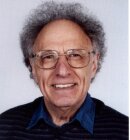
Allen Esterson was Lecturer in mathematics and physics at Southwark College, London, until his retirement in 1994. He is the author of Seductive Mirage: An Exploration of the Work of Sigmund Freud (1993), and has published articles on Freud in History of the Human Sciences, History of Psychiatry, History of Psychology, and The Scientific Review of Mental Health Practice. He is also the author of two major entries in The Freud Encyclopedia: Theory, Therapy, and Culture (2002) and of the Freud entry in The New Encyclopedia of Unbelief (2007).
Q: You’ve written a fair amount on Freud’s seduction theory. Can you briefly describe what it is?
A: Well, there are actually two versions. One is the traditional version, based on Freud’s later accounts of an episode from his early psychoanalytic career. It says that as a result of numerous reports from his female patients that they had been sexually abused by their father in childhood, Freud postulated that hysterical symptoms in adulthood were caused by childhood sexual abuse. However, the original 1896 seduction theory papers show that Freud postulated that the precondition for hysteria was an unconscious memory of sexual excitation in infancy. (As Peter Swales has pointed out, the theory should be more accurately described as the "sexual molestation theory.") In addition, Freud also postulated that for cases of obssessional neurosis, as well as repressed memories of passive infantile sexual experiences, there would have to have been repressed memories of active sexual experiences around the age of eight (for example, the boy in question had supposedly sexually molested a younger sister).
Q: Jeffrey Masson’s book "The Assault on Truth" argued that Freud intentionally suppressed evidence that his patients were victims of sexual abuse. Yet you issued a correction to his account by stating that "Masson’s version of events is erroneous." How so?
A: To fully understand the situation one must go back a few years before Masson’s book was published in 1984. During the 1970s, some feminists in the United States became involved with the issue of the sexual abuse of female children. Dismayed by the then current psychoanalytic view that many such allegations made by adult women in therapy were fantasies, one or two academic feminists traced the origins of this view to Freud’s later accounts of the seduction theory episode:
"In the period in which the main interest was directed to discovering infantile traumas, almost all my women patients told me that they had been seduced by their father. I was driven to recognize in the end that these reports were untrue and so came to understand that hysterical symptoms are derived from fantasies and not from real occurrences." (Freud, 1933)
Using quotations from Freud’s 1896 seduction theory papers that appeared to support their argument, and showing little understanding of Freud’s clinical techniques at that time, some feminist authors now asserted that the female patients in question had indeed been sexually abused by their father, and that Freud had retreated from his clinical claims because he was unable to face up to the notion that fathers sometimes abused their daughters. Following up an independent interest in childhood sexual abuse, Jeffrey Masson, in his capacity as Projects Director of the Freud Archives, also became convinced that Freud’s original claims in 1896 were true, and held that the reason for Freud’s repudiation of the seduction theory was his failure of courage in the face of opposition to his contentions from his medical colleagues.
In fact, a correction to Masson’s account had already been articulated in a then little-known article by Frank Cioffi ("Was Freud a Liar?") published a decade earlier. There were no reports of childhood sexual abuse from the patients in question; rather, Freud used his newly-developed technique of analytic interpretation to "reconstruct" supposed infantile experiences which he had convinced himself were deeply buried in his patients’ unconscious minds, and used a coercive clinical procedure to try to induce them to "reproduce" the purported "sexual scenes": "Before they come for analysis the patients know nothing about these scenes... Only the strongest compulsion of the treatment can induce them to embark on a reproduction of them," Freud wrote in 1896. Moreover, "they have no feeling of remembering the scenes" and assured Freud "emphatically of their unbelief." Explaining his analytic methodology, Freud stated: "It is exactly like putting together a child’s picture puzzle; after many attempts, we become absolutely convinced which piece belongs in the empty gap..."
Among the numerous erroneous elements in Masson’s account of the episode are the following: He did not register that Freud’s retrospective accounts of the episode changed each time he reported it (in accord with his current theoretical requirements), thereby failing to recognize that the final account (the traditional story quoted above) was suspect, and that, more generally, Freud’s accounts of his early psychoanalytic experiences were highly unreliable, something that Henri Ellenberger (1970) and Frank Sulloway (1979) had already amply demonstrated. Additionally, he failed to grasp the nature of Freud’s clinical procedures at that time, though they were expressed clearly enough in Studies on Hysteria (1895), as well as in "The Aetiology of Hysteria" (1896). He credulously treated Freud’s imaginative analytic reconstructions (based largely on the symbolic interpretation of symptoms) of patients’ supposed infantile events as authentic reports of what the patients had told him; credulously accepted anything that Freud wrote about the reception to his theory, disregarding the highly subjective, not to say self-serving, nature of the words in question, thereby treating Freud’s distorted views as if they constituted accurate history. Further, he provided a grossly misleading account of the contemporary reactions to Freud’s "Aetiology of Hysteria" paper; proposed a motivation for Freud’s repudiation of his theory that is demonstrably erroneous; gave an erroneous account of the prehistory of the seduction theory, thereby disregarding the fact that, prior to Freud’s announcement of the theory in a letter to Wilhelm Fliess in October 1895, he had not reported a single case of sexual abuse in infancy, yet only four months later he completed the first seduction theory papers in which he claimed that he had uncovered repressed memories of sexual abuse in infancy for every single one of his current patients. Moreover, he failed to note that in the "Aetiology" paper one-third of the patients were men, that the supposed culprits covered a wide range of categories, and that fathers were not mentioned among these; and failed to record Freud’s highly improbable claim that for all six obsessional patients he had not only uncovered repressed memories of passive sexual abuse in infancy, but also repressed memories of active sexual abuse incidents around the age of eight, conveniently in full accord with his theory. In short, Masson’s account was tendentiously selective and misleading, most notably in his quotations from the "Aetiology" paper which he reported in such a way as to provide a very plausible story for those readers (almost everyone at the time) who were unaware of the true nature of Freud’s clinical claims.
I should add that in his Afterword to the 2003 edition of The Assault on Truth Masson purports to answer his non-psychoanalytic critics. However, he fails to address many of the challenges to his thesis (as expounded above), and those he does consider are often expressed in his own terms rather than in those of his more knowledgeable critics, enabling him to come up with a plausible-sounding response. It would take an essay to detail the fallacies in Masson’s defence of his thesis, but it is worth noting that he writes that "Freud had a theory about incest," thereby demonstrating that he hasn’t even grasped what the seduction theory was about: he has failed to register that the identity of the putative abuser was of no consequence, that an absolutely essential part of the theory (and the 1896 clinical claims) was that the patients had no memory of the supposed sexual molestations, and that these incidents had to have occurred in infancy.
Masson’s credulity towards Freud’s subjective opinions and rhetorical gestures knows no bounds, as if Freud’s unreliability, and indeed deviousness, had not been repeatedly demonstrated in the literature of recent decades. For instance, he quotes Freud’s demonstrably false 1933 account of the episode (see above) and asks, "Could anything be clearer?" On the equally demonstrable contention that Freud was endeavouring to validate a preconceived theory, his rebuttal is on the grounds that first, Freud twice said he had no such preconception, and second, that Freud said he had a personal disinclination for the notion! Indeed such is Masson’s extraordinary credulity in quoting Freud’s words both in his 1984 book and in his 2003 Afterword that one gains the impression that the critical examinations of Freud’s historical writings in recent times that have exposed their self-serving nature, and more generally the laying bare of Freud’s rhetorical techniques, have completely passed him by.
References:
Esterson, A. (1998). "Jeffrey Masson and Freud’s seduction theory: a new fable based on old myths." History of the Human Sciences, 11 (1): 1-21. http://www.esterson.org/Masson_and_Freuds_seduction_theory.htm
Esterson, A. (1998). "Addendum: Masson’s Account of the Prehistory of the Seduction Theory." http://human-nature.com/esterson/addendum.html
Esterson, A. (2002). "The myth of Freud’s ostracism by the medical community in 1896-1905: Jeffrey Masson’s assault on truth." History of Psychology, 5 (2): 115-134. http://www.esterson.org/Myth_of_Freuds_ostracism.htm
Q: In 1993, literary critic, Frederick Crews reviewed several books on Freud for the New York Review of Books, one of which was yours, Seductive Mirage. That review set off an incendiary debate on the merits of Freud’s theories and methods that has come to be characterized as the Freud Wars. One of the biggest battles waged in this war has centered on the notion of Freud’s false memories and the Recovered Memory Movement. Can you briefly explain this dispute?
A: Inherent in the question are two (related) issues, that concerning Freud’s false memories (or tendentious misrepresentations -- it is often difficult to disentangle one from the other) of what actually happened with his patients in the mid-1890s, and the supposed false memories of his seduction theory patients. It is in regard to the latter that the "battle" has raged. The traditional psychoanalytic story has always been that Freud soon came to realise that many of the seduction theory patients’ reports of childhood sexual abuse were fantasies, or in current parlance, false memories. However, this view involves a misconception about the nature of Freud’s original clinical claims and the theory they supposedly vindicated.
On the basis of this misconception, feminists concerned with women in psychotherapy represented the episode as a kind of prototype for the Recovered Memory Movement (RMM). Freud had been right originally, they argued, when he believed the (purported) reports of paternal childhood sexual abuse. We must take our cue from this, the argument went, and recognize that just as Freud found many instances of childhood sexual abuse among his patients at that time, we have to appreciate just how widespread the sexual abuse of female children (especially by their father) is today. In effect, feminist-inspired therapists saw Freud’s 1896 theory of hysteria (as they understood it) as essentially correct, and became convinced that the task of the therapist was to uncover memories of sexual abuse using various techniques to facilitate their recovery.
One of the fruits of this development was the "bible" of the RMM, The Courage to Heal: A Guide for Women Survivors of Child Sexual Abuse (1988), by Ellen Bass and Laura Davis. Bass and Davis propounded the view that almost any somatic or behavioral symptom could well indicate forgotten childhood sexual abuse, and this became a commonplace view among recovered memory therapists, i.e., therapists who saw as their main task the uncovering of early abuse experiences. Tens (possibly hundreds) of thousands of women in the United States (almost all well-educated) took the lesson to heart and came to believe that the images and putative memories that were induced under therapeutic procedures designed to uncover presupposed sexual abuse represented the central reality of their childhoods. This resulted in the shattering of thousands of families as so-called "survivors" broke off relations with their parents, grandparents, and even siblings if the latter were unconvinced by their stories. (A similar process was to follow in Britain, albeit on a smaller scale.)
Critics of the RMM pointed out that the kinds of techniques practised by recovered memory therapists were conducive to the production of false memories or false beliefs, and that even the conviction induced by the reading of books like The Courage to Heal predisposed some women to believe that childhood sexual abuse was at the root of specific problems (somatic or behavioral) in their lives. Many such critics saw in Freud’s candidly expressed mid-1890s coercive procedures parallels with the burgeoning RMM, while admirers of Freud argued that, on the contrary, he had been a pioneer in recognizing the occurrence of false memories. In regard to the latter view, however, there is a lack of understanding of the nature of what Freud meant when he decided that the analytically reconstructed "sexual scenes" from infancy were actually fantasies. In large part due to Freud’s tendentious ambiguity in his accounts of the episode, there is a widespread failure to appreciate that the supposed "fantasies" were not reports given by the patients to Freud, or accounts the patients pieced together, as is generally the case with recovered memory cases in the present era; rather, they were the imaginative productions of Freud himself. What that episode actually exemplifies is not the danger of mistaking patients’ false memories for authentic events, but that of taking internal properties of a reconstruction, such as supposed symbolic relationships with symptoms and self-consistency within a narrative largely fashioned by Freud himself (i.e., his jigsaw puzzle argument cited above), to be a demonstration of its validity.
Contrary to what generally happens in recovered memory therapy, Freud’s seduction theory patients were not easily won over, if at all, to the belief that they had been sexually abused in early childhood. (Freud himself made this clear, and in fact used this as evidence that his theory was correct, since he would anticipate there would be strong resistance to the uncovering of deeply repressed memories.) And, as Crews has pointed out, despite appreciable differences with psychoanalytic formulations, the RMM is indebted to Freud’s post-seduction theory to the extent that there is a core of shared assumptions. These include that human beings are predisposed to repress early experiences of a sexual nature, that such unconscious memories lead to the occurrence of psychological disturbances in adulthood, that these repressed memories remain essentially unchanged beyond conscious awareness and can be retrieved by appropriate techniques decades later, that knowledge of occurrences in early childhood can be obtained from the analysis of dreams, that both somatic and behavioral symptoms may be symbolic representations of early traumas, and that it is essential to uncover and work through repressed material from childhood if current emotional problems are to be resolved.
Q: Why do you think there is so much importance placed on setting Freud "straight" rather than on concentrating on what’s taking place now in psychoanalytic thinking? Indeed, Marcia Cavell has argued that "It is as foolish to try to "analyze" Freud sixty years after his death without taking account of what has happened in psychoanalytic thinking in the meantime, as it would be to appraise Darwin without locating him in post-Darwinian evolutionary biology." Do you agree?
A: There is a misconception among admirers of Freud that the critical literature of recent decades has been about criticizing Freud’s theories -- as if that had not been adequately undertaken by previous generations of critics -- whereas the bulk of it has been about setting the historical record straight (as well as providing previously unrecognized instances of Freud’s misrepresentations of his clinical experiences) in a social context in which mythological notions about Freud and his work have had wide currency. My impression is that few of Freud’s defenders have actually read the books giving detailed evaluations of his work, but rely instead on reading commentators who expound what are essentially summaries of the critiques, so that they have only a sketchy notion of what the issues are actually about. This is exemplified by Cavell’s proposed analogy with Darwin, as if the issue is purely to do with some erroneous notions propounded by Freud, rather than with the whole basis of his theoretical postulations, the means by which he purportedly validated them, and his frequent lapses from probity in pursuance of persuading people (including himself!) of the validity of his contentions.
If one is to rebut Cavell’s contention in a single sentence, one can simply point out that the essential elements of Darwin’s theory remain central to modern biology, whereas Freud’s fundamental proposition that he had discovered a unique technique that reliably enabled him to uncover the contents of his patients’ unconscious minds is without foundation. As Clark Glymour has observed in relation to Freud’s first exposition of psychoanalysis, written immediately following his recognition that the seduction theory was erroneous:
"Freud had many scientifically honorable courses of action available to him.... He did none of these things, or others one might conceive. Instead he published The Interpretation of Dreams to justify by rhetorical devices the very methods he had every reason to distrust.... At the turn of the century Freud once and for all made his decision as to whether to think critically, rigorously, honestly, and publicly about the reliability of his methods. The Interpretation of Dreams was his answer to the public, and, perhaps, to himself."
This echoes Cioffi’s words in the same context a decade earlier: "Freud could not bring himself to recognize the reasoning by which he had persuaded himself of the authenticity of the seductions, because it was the same sort of reasoning which, for the rest of his career, he was to employ in his reconstruction of infantile fantasy life and of the content of the unconscious in general." ("Was Freud a Liar?," 1974)
Q: Has progress been made in the field of psychoanalysis since Freud?
A: In the sense that the more outlandish Freudian notions were gradually jettisoned by many psychoanalysts once dissenters like Karen Horney developed their own theoretical structures in the 1930s, one can say there has been progress. But one must also consider the question of what is meant by psychoanalysis nowadays, given that the discipline has become so dispersed and diluted. Commentators favorable to psychoanalysis argue that the current situation illustrates the fruitful developments that have occurred since Freud’s day. More perceptive, I think, is the view expressed by Alan A. Stone, in a Keynote Address to the American Academy of Psychoanalysis in 1995. Repudiating the view that the work of psychoanalytic theorists over the previous century was analogous to the construction of a great conceptual cathedral, Stone stated:
"Unfortunately I and many others in my generation have lost that sense of conviction and with it the feeling that we are part of a collective enterprise. To us, the maxim about dwarfs standing on giants seems untrue or at least inapplicable to psychoanalysis. Those who stand on Freud’s shoulders have not seen further, they have only seen differently and often they have seen less. Rather than building a cathedral, psychoanalysts have built their own churches. Consider from this perspective the two great women, Anna Freud and Melanie Klein, who dominated psychoanalysis after Freud’s death. Each of them thought she was standing on Freud’s shoulders and extending his true vision. And their adherents certainly believed they were building Freud’s cathedral and they accommodated both their psychoanalytic practice and thinking accordingly. Today, at least in my opinion, and I am not entirely alone in thinking this, neither Anna Freud’s Ego Psychology nor Melanie Klein’s Object Relations Theory seem like systematic advances on Freud’s ideas. Rather they seem like divergent schools of thought, no closer to Freud than Karen Horney who rebelled against Freudian orthodoxy."
Treating the same issue from a more theoretical perspective, in 1993 Morris Eagle, former President of the Division of Psychoanalysis of the American Psychological Association, arrived at the following conclusion concerning modern developments in psychoanalytic theory and practice:
"I believe that after examining the different variants of so-called contemporary psychoanalytic theory... one must conclude that the theoretical formulations and claims that constitute contemporary psychoanalytic theory are on no firmer epistemological grounds than the central formulations and claims of Freudian theory... There is no evidence that contemporary psychoanalytic theories have remedied the epistemological and methodological difficulties that are associated with Freudian theory."
Q: Almost every element of Freud’s views was contested during his lifetime. How did Freud handle such criticism?
A: One needs to appreciate that Freud was utterly convinced that he had discovered an epoch-making technique for accessing the contents of the unconscious, and equally convinced that the fruits of his technique constituted truths about human beings on which he was the supreme authority. That being the case, he had to explain why numerous experienced psychologists and practitioners in related fields were, in varying degrees, sceptical about his psychoanalytic contentions and supposed discoveries. His favored explanation was that their objections were actually rationalizations that masked their unconscious resistance to psychological truths that they were unable to confront, and since analytic theory predicted that there would be strong resistance on the part of patients to the retrieving of unwelcome repressed ideas, he treated people’s "resistances" to psychoanalysis "as actual evidence in favour of the correctness of its assertions" (1913). In similar vein, in relation to opposition from his contemporaries to his ideas, he wrote in 1914 that "psychoanalytic theory enabled me to understand this... as a necessary consequence of fundamental analytical premises."Applying the same notion to opposition from "scientific opponents of psychoanalysis", he averred that this was "a manifestation of the same resistance which I had to struggle against in individual patients" (1933). In short, the refrain that he never tired of repeating was that society "disputes the truths of psychoanalysis with logical and factual arguments; but these arise from emotional sources and it maintains these objections as prejudices, against every attempt to counter them" (1916).
Of course, he also occasionally provided more direct responses to specific criticisms, in the course of which he frequently made use of rhetorical devices, at which he was a master. For instance, his response sometimes implicitly assumes the point at issue and only has the appearance of being an answer to the objection. In such cases, the weakness of his argument may be camouflaged by the buttressing of his case by his citing supposed analogies, though the only legitimate use of an analogy is to clarify a point being made, not to provide evidence for its validity. The reader is also likely to be inundated with repetitions of the procedure he is defending, the purpose of which is to induce a sense of conviction rather than to persuade by force of argument. Despite his not having adequately addressed the criticism in question, his presentational skills are so brilliant that he generally manages to convey the impression that he has done so, and he proceeds as if the criticism has been decisively rebutted.
If I had to sum up the essence of Freud’s mode of dealing with criticisms of his ideas or scepticism about his supposed clinical findings, I would say it is encompassed in this statement which prefaced his last major work, An Outline of Psychoanalysis: "The teachings of psychoanalysis are based on an incalculable number of observations and experiences, and only someone who has repeated those observations on himself and on others is in a position to arrive at a judgement of them." In other words, only someone who has accepted the premises of psychoanalysis (since this is necessary to make the required "observations") is able to make a just evaluation of it.
Q: Breuer’s seminal case study - the story of Anna O. - continues to be a source of fascination for many, even though a century or so has passed. Freud, who never treated her, mentions her more often than any of his own patients. What is it about this case study that has captivated so many?
A: The interest in "Anna O." (Bertha Pappenheim), who was treated by his colleague Josef Breuer in 1880-1882, stems from the fact that Freud several times alluded to the clinical procedure used by Breuer as the basis on which he was to develop his own psychoanalytic theory and practice.
Precisely what happened with Breuer’s patient has long been the subject of debate and disagreement. There are two main sources for the crucial information - Breuer’s case history published (partly from memory) in Studies on Hysteria in 1895, some thirteen years after the treatment was completed in June 1882, and Breuer’s original report written in July 1882. The latter is augmented by letters written by Breuer and two doctors at the Bellevue sanatorium where Pappenheim resided for several months from July 1882, plus some relevant letters written by the patient and her mother.
Breuer reports that from the summer of 1880 through to the end of November, when he was called in on account of a cough that he quickly diagnosed as hysterical, Pappenheim had developed a number of transitory symptoms while nursing her father, who was suffering from a tuberculosis-related pulmonary abscess. She fell into states of absence, hallucinated, developed visual disorders, right-sided limb contractures, and other symptoms. Soon after being called in, Breuer had little hesitation in deciding that she was experiencing a hysterical illness.
During the following months, when she became bedridden, Pappenheim exhibited more visual disorders, paralysis of the anterior neck muscles, and more severe right-sided contractures and anaesthesias that later affected the left-sided extremities. The patient also suffered from extreme distress and agitation, and the loss of her native German language, though she was able to communicate in English, and occasionally in French or Italian. There was then a period during which some of these symptoms spontaneously diminished, or even disappeared. Following the death of her father in April 1881, there was an exacerbation of some of the visual disorders and of her states of absence, with accompanying hallucinations. Later on, her recurring disturbed mental states were found to ease temporarily after she recounted fantasy stories while in evening states of absence. Breuer recorded that by the summer of 1881, the illness had passed its winter peak, and several somatic symptoms had either considerably diminished or vanished. The remaining part of his original report mainly deals with minor symptoms that resulted from day-to-day "annoyances" and disappeared when the incidents were later recounted. Unfortunately, the report only goes up to the December 1881.
The story of Pappenheim’s recovery that became part of psychoanalytic mythology as told by Freud, was that during the last six months of the treatment the patient was led to trace back to the emotional experiences that had occasioned the onset of her symptoms, and as a result of their cathartic expression they disappeared and the patient was brought back to health:
"[Breuer] was able with the help of hypnosis to study and restore to health a highly-gifted girl who suffered from hysteria... Breuer was able to establish that all her symptoms were related to [the period when she was nursing her dying father] and could be explained by it... The therapeutic procedure adopted by Breuer was to induce the patient, under hypnosis, to remember the forgotten traumas and to react with them with powerful expressions of effect." (Freud, 1924)
However, the discovery of Breuer’s original 1882 report by Henri Ellenberger in the early 1970s showed that, at the very least, this was a gross oversimplification of the story. As noted above, during the course of the illness there was spontaneous remission of some symptoms. Again, as the original report stopped at the end of 1881, for the crucial period of the last six months during which the cure was accomplished, we have only Breuer’s less reliable case history published some thirteen years later, written up partly from memory. Then there is the fact that the crucial recollections occurred in states of auto-hypnosis into which Pappenheim slipped in the evenings, and that Breuer’s published report of the final six months was heavily dependent on what his patient told him in this hypnotic state, including his account of the onset of the symptoms. (As Breuer records in his original report, Pappenheim only knew of this first period of her illness from what he was to tell her later; he, in turn, had heard it from the patient while she was in a trance-like state.)
Following Ellenberger, it has become the received view that, after Pappenheim’s transfer to a sanatorium in the summer of 1882 with only a short break at the end of Breuer’s treatment, she retained a considerable number of the symptoms designated as "hysterical". However, as Richard Skues has pointed out, most of the symptoms listed by Breuer were not in evidence in the sanatorium report on the patient, though she did still retain the tendency to cease to be able to communicate in German in the evenings, to slip into trance-like states of absence, and was subject to hallucinations. In addition, she continued to experience severe facial neuralgia, for which she had been treated with high doses of morphine for some months to the extent that she had become addicted. She had also been treated with high doses of the narcotic chloral hydrate for an unknown period of time, and had to be weaned off the drug. Finally, it was discovered by Albrecht Hirschmüller that Pappenheim spent periods in another sanatorium on three occasions between 1883 and 1887, each time with a diagnosis of "hysteria," with an official description of "somatic illness".
That Pappenheim was free of the majority of her somatic symptoms at the end of Breuer’s treatment is a separate issue from whether she was "cured" as a result of the procedures described in the 1895 case history, and as subsequently recounted by Freud. Malcolm Macmillan has noted that in the original report and in the purely descriptive parts of the later case history, Breuer wrote of symptoms being talked away rather than there being a cathartic discharge of emotion. In a detailed examination of the issues that revolve around the case, Richard Webster has also noted some significant differences between the original report and the case history published in Studies on Hysteria (a joint venture to which Breuer had agreed only very reluctantly).
The (whole or partial) spontaneous remission of some symptoms during the period that Breuer was tending the patient raises questions about the traditional psychoanalytic account. Breuer himself acknowledged that "As regards the symptoms disappearing after being ’talked away’, I cannot use this as evidence; it may very well be explained by suggestion." Though he went on to argue against this possibility, three reviewers of Studies on Hysteria at the time remarked on the unreliability of material obtained from a patient under hypnosis, and the possibility that the claimed therapeutic successes may have owed much to suggestion. On the other hand, several authors have argued for a predominantly organic illness, especially as Pappenheim’s symptomatology had much in common with neurological disorders such as those associated with epileptic seizures. However, the difficulties of retrospective diagnosis are considerable, and no consensus about Pappenheim’s illness has emerged.
No discussion of the significance of the case for psychoanalysis can omit Freud’s postscript to the story. While it was claimed that Breuer had achieved a remarkable cure, there remained the fact that there is nothing pertaining to sexuality in his account of the case. In other words, it lacked a crucial ingredient that Freud insisted was always present at the core of patients’ symptoms (an issue that was a major factor in his ending his friendship with Breuer not long after the publication of Studies on Hysteria). He resolved this problem by hinting at an "untoward event" that supposedly led to Breuer’s breaking off the treatment prematurely, and wrote in terms that gave readers the impression of his having good evidence to support such an incident having occurred, pointing to the existence of a strong transference between patient and physician. Privately, he told of Breuer being confronted one day with Pappenheim supposedly experiencing a "phantom pregnancy," causing him such a shock that took flight from the sexual implications. Though through much of the twentieth century this account achieved wide currency, it is now generally recognized as a story Freud self-servingly reconstructed to explain away the absence of sexual elements in Breuer’s account of his "cure" of Anna O.